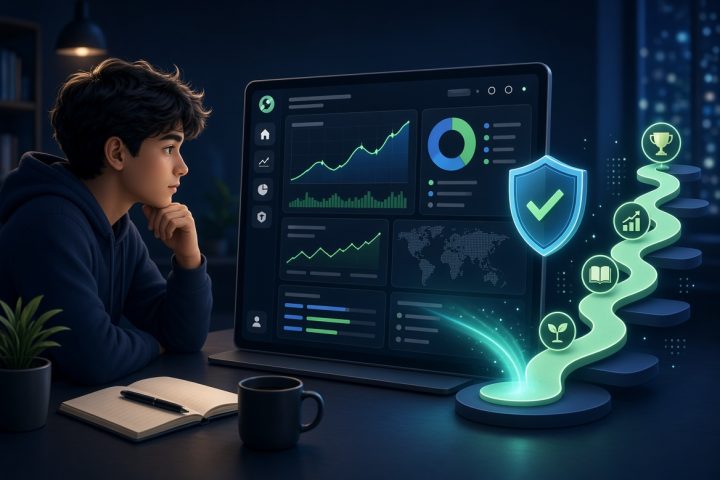
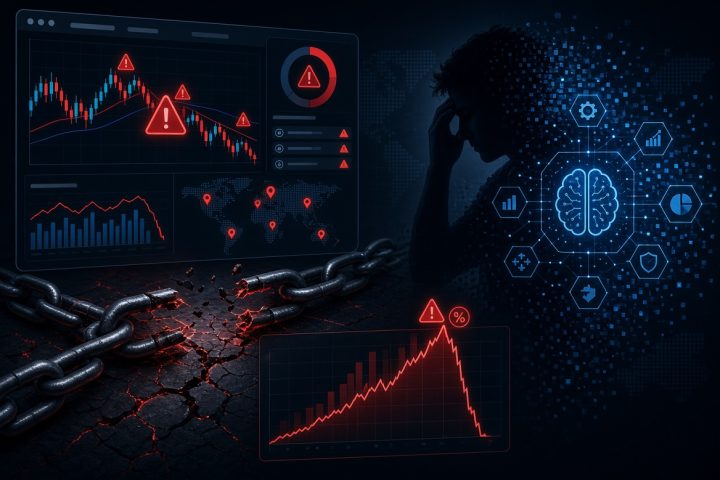
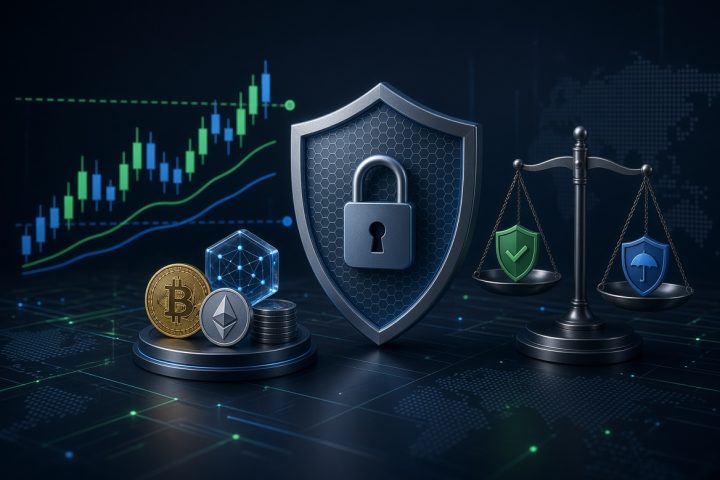
Explore the strengths and weaknesses of AI-powered signals versus human analysis—and how to choose the best approach for your trading style in 2026.
Introduction: AI vs Human Intuition in Crypto Trading
In 2026, crypto traders face an important decision: rely on human-generated signals or use AI-powered systems. Markets move faster, data is more complex, and institutional algorithms dominate many major pairs. In this environment, pure manual analysis is becoming harder to scale.
But does AI truly outperform manual signals in every situation? Or is there still a meaningful role for human judgment? This guide compares both approaches clearly so you can decide what fits your trading style best.
Platforms like 99ta100 are built around structured AI signals while still giving traders control over risk and strategy selection.
Manual Crypto Signals: Strengths and Limitations
Manual signals are created by human analysts who study price action, indicators, market sentiment, and sometimes news or macroeconomic events. These signals are often shared through Telegram, Discord, email, or private groups.
Strengths of Manual Signals
- Human intuition and experience can capture context that pure data models miss
- Greater flexibility during unexpected news events or regime changes
- Ability to incorporate broader macroeconomic or geopolitical factors
Limitations of Manual Signals
- Slower reaction time compared to automated systems
- Emotional bias such as fear, greed, or fatigue
- Limited scalability — one analyst can monitor only a limited number of charts
- Inconsistent timing and delivery quality
AI-Powered Crypto Signals: Speed, Scale, and Consistency
AI-powered signals are generated by models that process large amounts of historical and real-time market data. These systems can scan multiple pairs, detect patterns, and in many cases execute trades automatically through exchange APIs.
Advantages of AI Signals
- 24/7 monitoring of multiple markets and timeframes
- Much faster reaction to price movements
- No emotional interference
- Consistent application of predefined logic
- Ability to process more data than a human can track manually
Challenges of AI Signals
- Performance depends on model quality, data, and ongoing updates
- May struggle with sudden news-driven events unless external data is integrated
- Still requires clear risk management from the user
- Not immune to changing market regimes
To see how structured AI signals work in practice, you can explore the 99ta100 Demo.
Side-by-Side Comparison: AI vs Manual Signals
| Criteria | Manual Signals | AI Signals |
|---|---|---|
| Speed | Minutes to hours | Near real-time |
| Scalability | Limited number of pairs | Can monitor many pairs simultaneously |
| Emotional Bias | High risk | None |
| Consistency | Variable | High (when properly configured) |
| Context Awareness | Strong with news and macro events | Weaker unless external data is integrated |
| Best Use Case | Discretionary and news-driven trading | Systematic, high-frequency, and multi-pair strategies |
When Manual Signals Still Make Sense
Manual analysis is not obsolete. It can still be valuable in situations such as:
- High-impact news events (economic data releases, regulatory announcements, major geopolitical developments)
- Low-liquidity or unusual market conditions
- Strategic discretionary decisions that require broader judgment
Many experienced traders use manual insight for higher-level bias and AI systems for execution and monitoring.
How 99ta100 Structures AI Signals
The approach on 99ta100 focuses on structured AI-driven signals combined with risk controls and a clear dashboard. Key elements typically include:
- Coverage of major pairs such as BTC, ETH, and selected high-liquidity altcoins
- Defined stop-loss and take-profit logic
- Customizable risk settings
- Multi-timeframe analysis tools
- A professional interface for monitoring signals and performance
You can choose a plan based on your experience level:
- Starter Plan – for beginners exploring automation
- Pro Plan – for active traders who want more control
- Premium Plan – for professionals and teams
Compare all options on the Pricing Plans page.
Which Approach Should You Choose?
There is no universal winner. The better choice depends on your goals, time availability, and risk tolerance:
- Prefer speed, consistency, and multi-pair coverage? AI-powered signals are usually the stronger fit.
- Focus heavily on news, macro events, and discretionary judgment? Manual analysis still has value.
- Want the benefits of both? Many traders use AI for execution and monitoring while applying human judgment for overall market bias.
In practice, the most effective setups in 2026 often combine structured automation with disciplined risk management rather than relying on pure discretion or pure automation alone.
Frequently Asked Questions
Can AI signals fully replace human traders?
Not completely. AI systems excel at speed, consistency, and data processing, but human judgment remains useful for interpreting major news events and broader market context.
Are manual signals still useful in 2026?
Yes, especially in news-driven environments or when used alongside automated tools rather than as a standalone system.
Is 99ta100 fully automated?
99ta100 provides structured AI-driven signals and automation features, while still allowing users to control risk settings and choose how actively they manage their approach.
Which plan is best if I am new to AI signals?
Most beginners start with the Starter Plan and later move to the Pro Plan or Premium Plan as their experience grows.
Conclusion: Choose Structure Over Emotion
In 2026, the real edge in crypto trading is less about choosing “AI versus humans” and more about building a structured process. AI systems offer clear advantages in speed, scale, and consistency. Human analysis still adds value in interpreting complex or unexpected events.
The strongest approach for many traders is a combination: use AI for systematic signal generation and execution, and apply human oversight for risk control and higher-level decision-making.
If you want to explore structured AI signals in practice, you can:
- Try the Demo
- Review the Pricing Plans
- Start with the Starter Plan if you are